
Mission block
Objective context
signed mission package
READY
Loading the NowFlow public workspace.
Turn natural-language intent into mission, workflow, device, policy, scenario, test, and operator artifacts. Coordinate governed agents, fleets, intelligence, simulation, approvals, telemetry, and debrief while field authority stays outside AI generation.
Exercise nominal, degraded, fault, and recovery paths before a separate authority and promotion decision. The lab never grants field permission.
Select any platform to inspect its simulated state.
Every control updates the same mission clock, devices, policy, and evidence.
Built for sovereign robotic operations
02Governed autonomy
Every consequential behavior has a visible place: the mission agent, the graph, the authority gate, the robot adapter, or the execution record.
Agents, sensors, robots, conditions, recovery paths, and bounded loops remain visible instead of disappearing inside prompts.
Give each agent an assigned role, approved context, model, tools, knowledge, and a versioned place in the control plan.
Treat release, hold, correction, escalation, and abort as first-class mission steps with an accountable owner.
Use robot state, execution context, and durable checkpoints to verify what happened before the next field action begins.

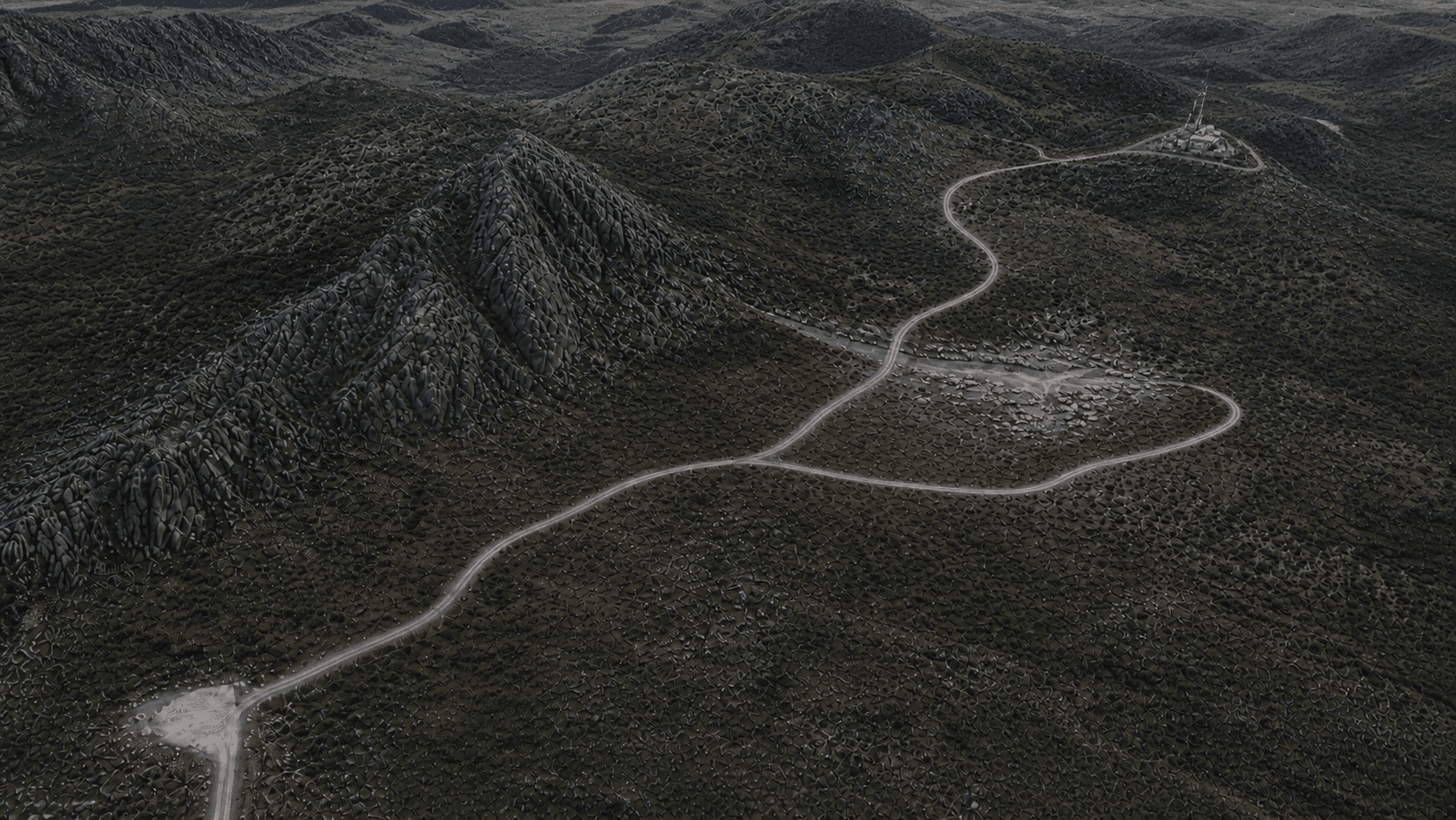
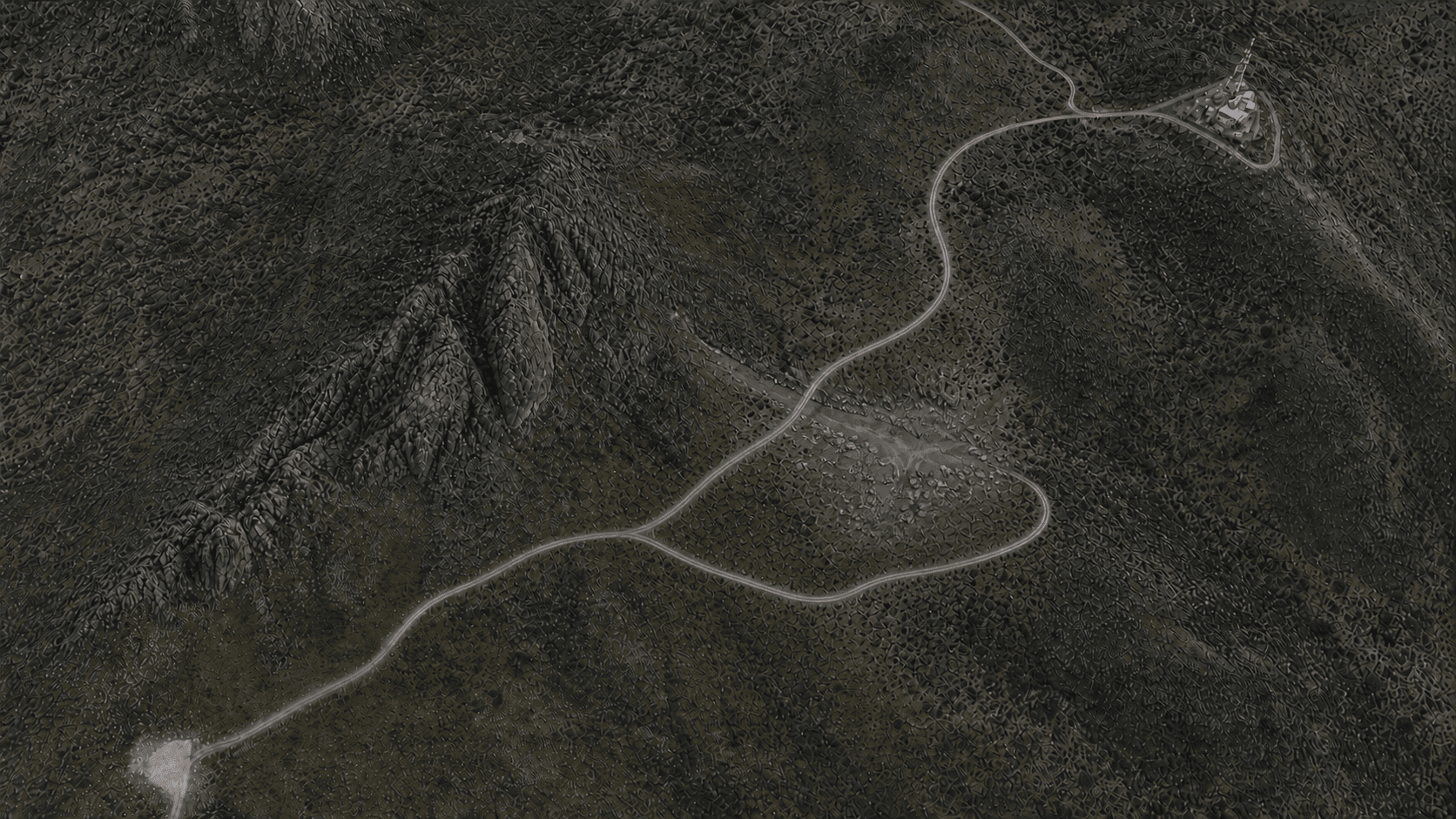
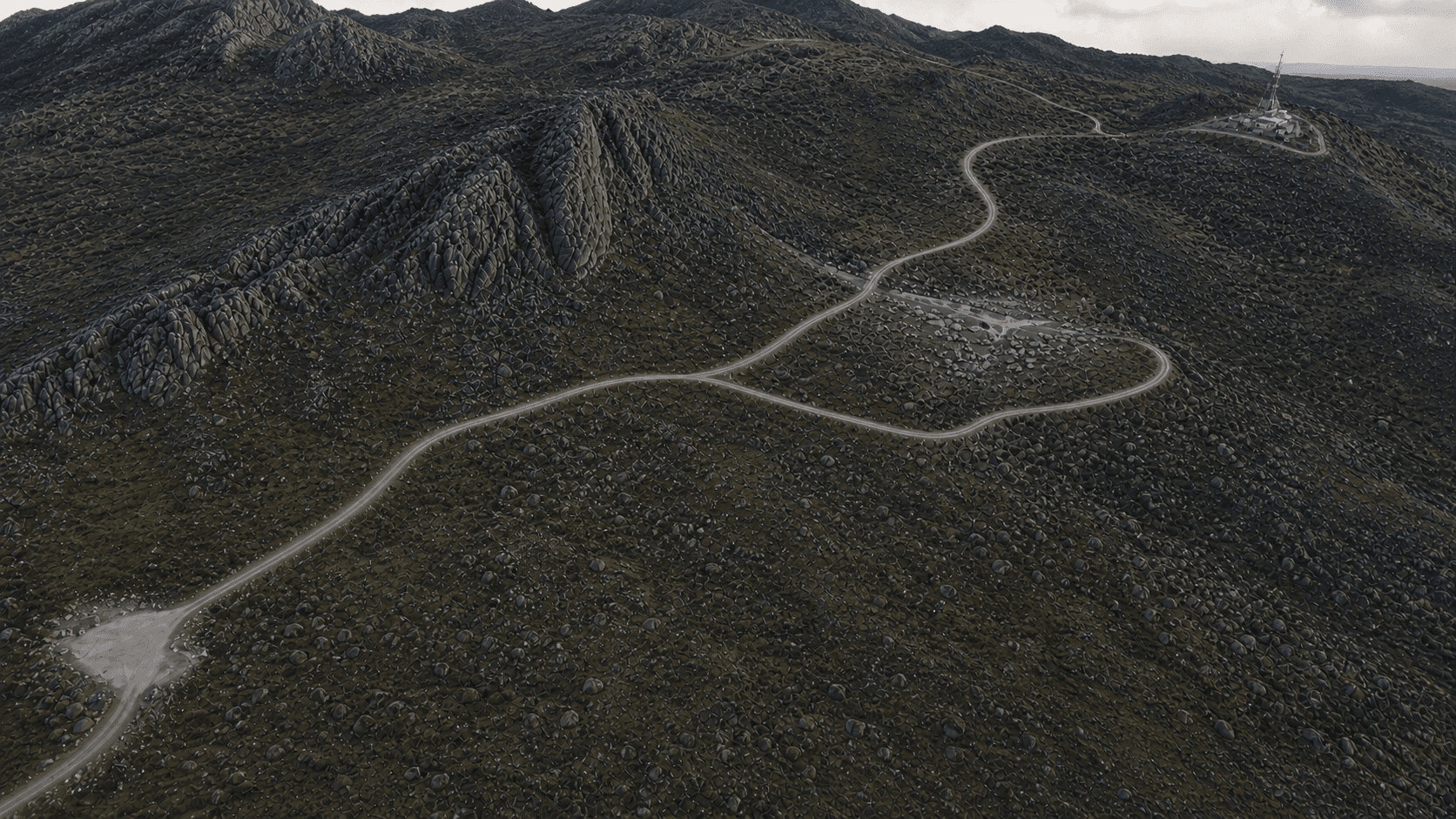
Aerial perception / governed release
Correlate terrain, infrastructure, sensor evidence, and platform state in one operational picture. The workflow can recommend a route; command authority decides when the machine proceeds.
03Robotic mission patterns
These are reference control patterns, not claims of fielded missions. Each one defines the human authority boundary before autonomy is expanded.
Turn an authorized objective into a reviewable fleet plan without allowing an agent to task a platform on its own.
A commander releases robot tasking
Fuse incoming telemetry, classify uncertainty, and route a recommendation while the response decision stays visible.
A duty officer authorizes the response
Convert platform health signals into an inspection plan while keeping safety limits and engineering approval explicit.
An engineer releases the inspection task
04Mission stack
NowFlow coordinates the configured systems around a robotic mission without assuming that every sensor, model, platform, or network shares the same trust boundary.
Authority before autonomy
Platform safety, hosting, network access, identity, model providers, credentials, data classification, retention, and audit requirements are mission inputs—not assumptions hidden behind an autonomy label.
Review our security posture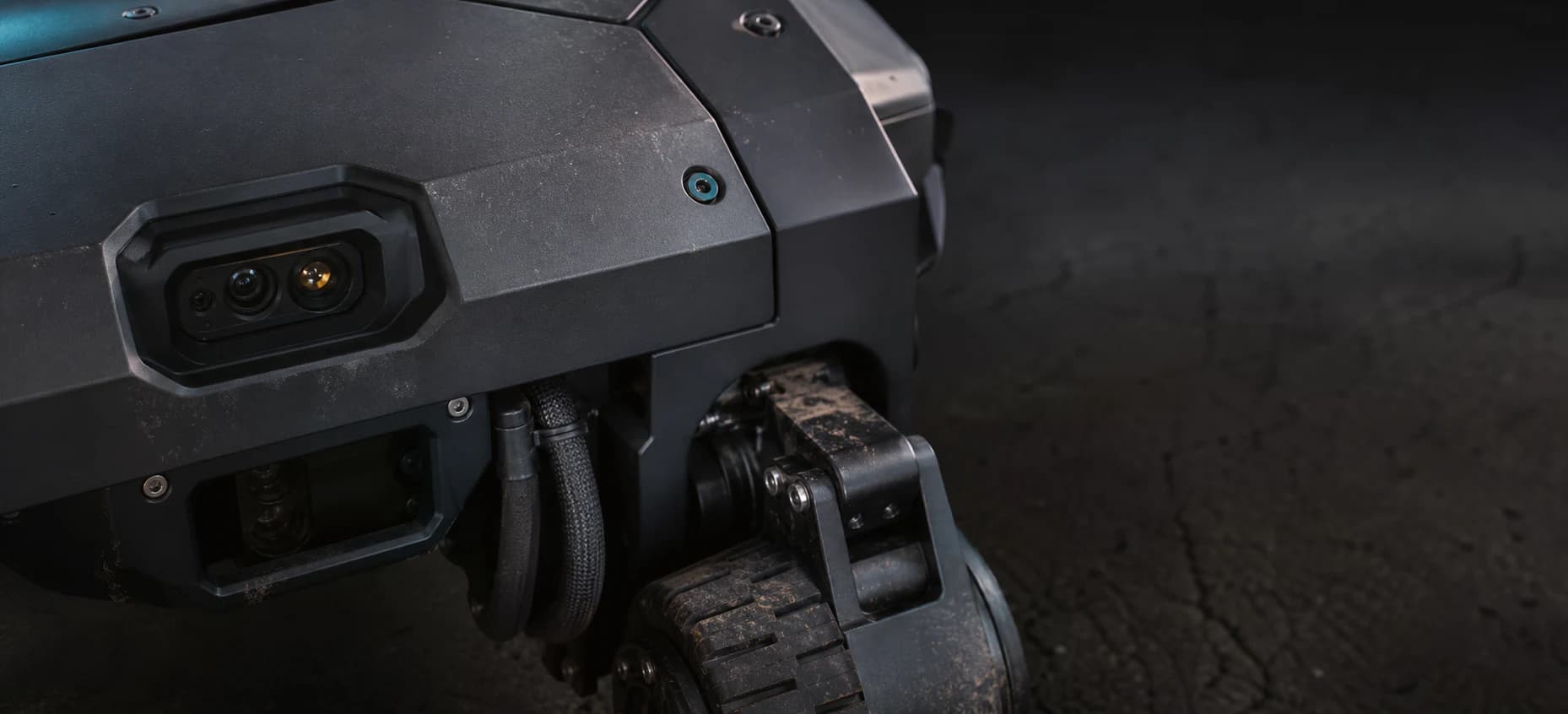
Platform state / durable evidence
Bind sensor state, agent reasoning, authorization, and the resulting robot command to the same mission record—so field behavior can be understood, replayed, and assured.
05Command views
Operators need focus, autonomy engineers need complete control, and assurance teams need evidence. Each role gets the same truth at the right level of detail.
01Mission operator
See the current objective, fleet state, recommendation, confidence, and authority action without interface overload.
02Autonomy engineer
Design the graph, configure agents and adapters, test branches, and inspect the same runtime state operators see.
03Assurance lead
Trace versions, model decisions, approvals, robot commands, and failures without rebuilding the mission from separate tools.
06Deployment path
A focused working session can expose the real authority boundary, missing evidence, integration constraints, and failure modes that a polished autonomy demo can hide.
Choose a robotic operation with known platforms, inputs, outputs, and a decision that must remain under human command.
Identify robot capabilities, models, identity, network, geospatial limits, review, and deployment constraints up front.
Exercise nominal, denied, degraded, and recovery paths before deciding whether the operating envelope should expand.
07Questions
The useful starting point is a shared understanding of machine capability, human authority, data, execution, and the field environment.
It means agents may interpret, plan, and recommend inside explicit workflow constraints, while policy gates and accountable humans determine which robot actions can be released.
No. NowFlow coordinates agentic reasoning, deterministic control flow, and human authority around existing systems. The organization defines which actions are automatic, supervised, or always operator-released.
Only the selected condition, router, or error edge becomes active. Repetition uses explicit bounded loop metadata, and structurally invalid graphs are rejected before execution.
Workflows connect through configured APIs, tools, data sources, and platform adapters. Each connection remains subject to the credentials, protocol, network, and operating boundaries you authorize.
Start with platform safety, network access, identity, model providers, data classification, retention, audit, latency, and hosting constraints. Prove the control path in simulation before field use.
No. Use the form only to describe the workflow at a high level. Do not include classified, export-controlled, personal, or otherwise sensitive data.